
Business
Vivek Oberoi Diamond Fraud Case: ₹34.75 Crore EOW Probe Explained
Bollywood actor Vivek Oberoi is named in a ₹34.75 crore diamond fraud case. Mumbai EOW probe, allegations, assets and full case details explained.

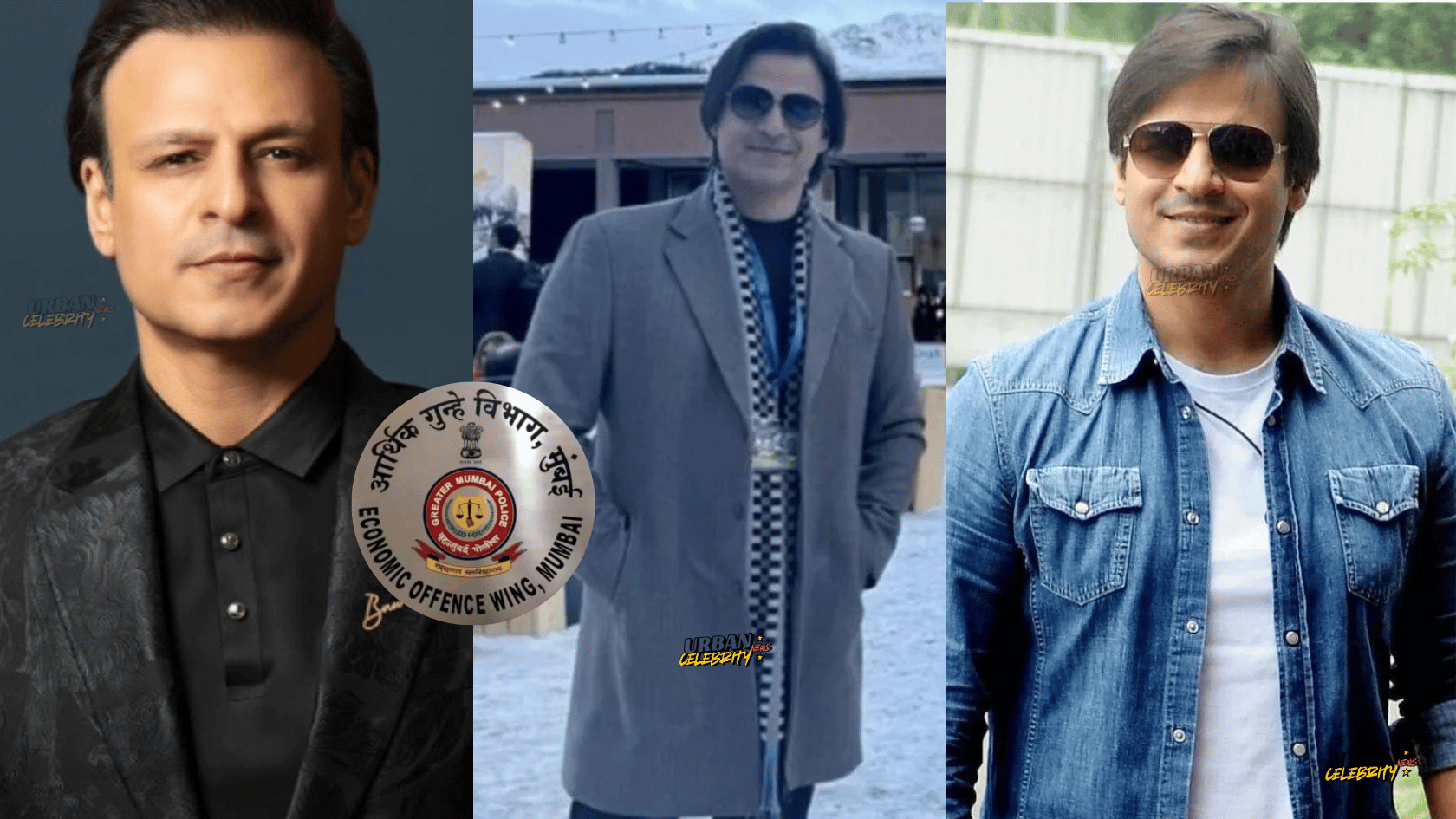
Mumbai, January 2026 — Bollywood actor Vivek Oberoi, known for his film career and luxury lifestyle, is now at the center of a major financial controversy after his name surfaced in a ₹34.75 crore diamond fraud case under investigation by the Mumbai Police Economic Offences Wing (EOW).
What Is the ₹34.75 Crore Diamond Fraud Case?
The EOW has initiated a preliminary inquiry into an alleged diamond fraud involving Cupid Diamonds Pvt Ltd, where investors claim they were cheated of roughly ₹34.75 crore. The complaint alleges a scheme involving fraud, forged documents, and bounced cheques connected to high-value diamond transactions.
Among the accused in the case are:
- Vivek Oberoi – Bollywood actor
- Satish Daryanani – Business associate
- Ricky Vasandani – Business associate
The complaint was filed by the director of Cupid Diamonds Pvt Ltd, who claims improper conduct in diamond deals that took place over several years. The EOW is now examining bank transactions, documents, and other financial records as part of the probe.
Allegations: Fraud, Fake Docs & Bounced Cheques
According to police sources and filings:
- The accused allegedly used fake company seals, forged signatures, and counterfeit documentation to give the impression that diamonds and payments were legitimate.
- Reports indicate that in some instances low-value stones were couriered back instead of actual diamonds, supposedly to fake returns.
- Post-dated cheques issued as payment were later dishonored, resulting in bounced cheque complaints.
- There are claims that conspirators tried to build trust by fulfilling small transactions initially before larger amounts were involved.
The investigation is still in the primary stage, and EOW officials are meticulously verifying all paperwork and transactions to assess the validity of the claims and whether criminal charges should be formalized.
Industry and Public Reaction
This development has sent shockwaves through Bollywood and the business community because Oberoi’s association with high-end properties and luxury assets — including his reported ₹14 crore Juhu bungalow and a multi-crore Rolls-Royce — has made headlines even before this controversy. (Context on lifestyle assets pulled from earlier coverage summarizing his luxury profile.)
Legal experts note that even though the current stage is an inquiry (not an FIR under full charge sheet), inclusion in a high-profile fraud investigation could have reputational implications for a widely recognized urban celebrity. The EOW’s next steps will likely determine whether arrests, charges, or further notices follow.
What Happens Next in the Vivek Oberoi Diamond Case?
As of now:
- The EOW is continuing its detailed probe.
- Authorities have not yet publicly disclosed formal charges against Oberoi or others beyond naming them during the inquiry.
- If evidence substantiates the allegations, the matter could escalate into a full FIR and possible legal action under Indian criminal and economic offence laws.
The outcome of the investigation will be closely watched, as this case intersects entertainment, high-value luxury asset transactions, and significant financial allegations involving one of Bollywood’s prominent names.
People Also Search For : Vivek Oberoi latest news fraud, Vivek Oberoi business controversy, Bollywood celebrity fraud case, Diamond trading scam India celebrity, Vivek Oberoi investigation explained, Vivek Oberoi accused in diamond case₹34 crore diamond fraud Mumbai
Frequently Asked Questions (FAQ)
Below are some commonly asked questions related to the ₹34.75 crore diamond fraud case in which Bollywood actor Vivek Oberoi’s name has been mentioned during an ongoing investigation.
Why is Vivek Oberoi linked to the ₹34.75 crore diamond fraud case?
Vivek Oberoi’s name has surfaced in connection with a ₹34.75 crore diamond fraud case that is currently under examination by the Mumbai Police Economic Offences Wing (EOW). Authorities are reviewing documents and financial transactions as part of the inquiry.
Is Vivek Oberoi accused or arrested in the diamond fraud case?
As of now, Vivek Oberoi has not been arrested or formally charged. His name has been mentioned during the investigation, and the case remains under inquiry.
What is the ₹34.75 crore diamond fraud case about?
The case involves alleged irregularities in high-value diamond transactions. Investigators are examining financial records, transaction trails, and business dealings linked to the matter.
Which agency is investigating the case?
The investigation is being conducted by the Mumbai Police Economic Offences Wing (EOW), which specializes in handling major economic and financial offences.
What happens next in the investigation?
The next steps will depend on the findings of the Mumbai EOW. After reviewing all evidence, authorities will decide whether further legal action is required.
Is the investigation still ongoing?
Yes, the investigation is ongoing, and officials have indicated that further developments may emerge as the probe progresses.
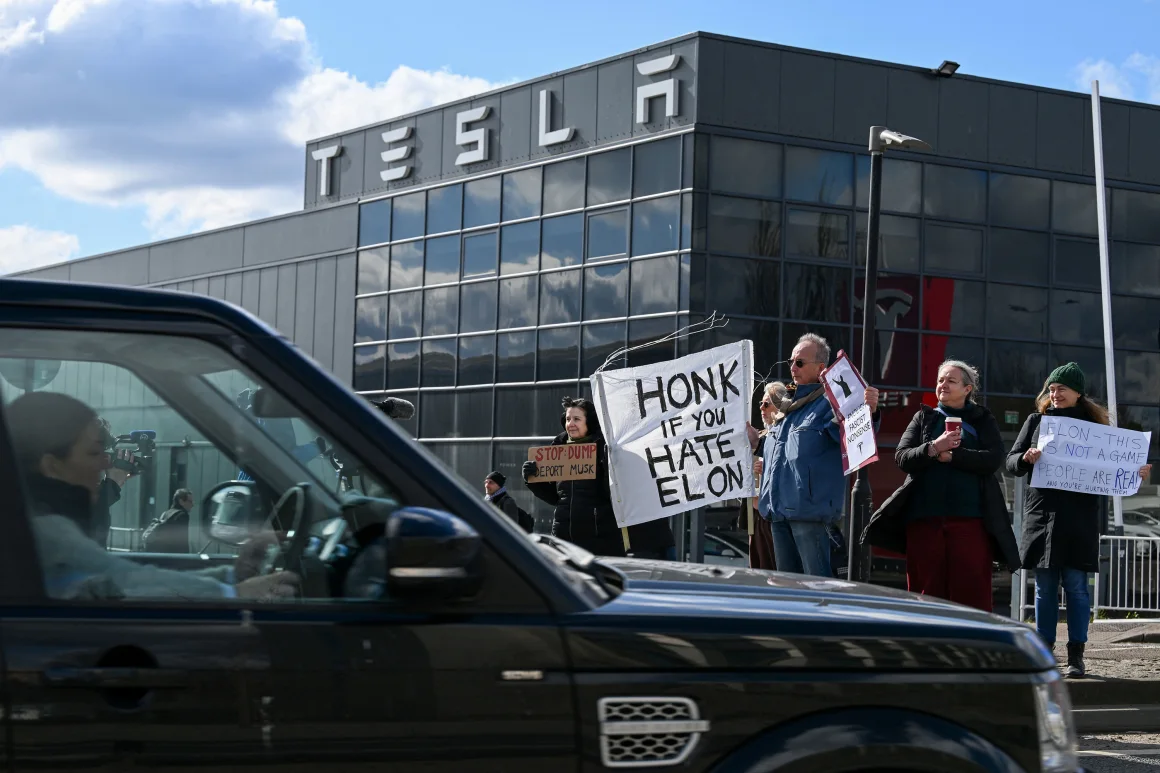
Tesla Inc. has reported a sharp decline in profits and revenue, with CEO Elon Musk announcing a partial retreat from his controversial role in the Trump administration’s Department of Government Efficiency (DOGE). Musk confirmed during the company’s earnings call that, starting in May, he will reduce his time at DOGE to focus more on steering Tesla through a turbulent financial period.
Tesla’s Financial Woes Deepen
Tesla’s Q1 2025 results fell significantly short of analysts’ expectations. The electric vehicle giant reported:
- A 9% drop in overall revenue
- A 20% decline in automotive revenue
- A 39% fall in adjusted income
- A 71% plunge in net income compared to the same period last year
This comes after Tesla warned earlier this month of its worst sales drop in company history, with 50,000 fewer vehicles delivered than in Q1 2024. This marks Tesla’s lowest quarterly sales in nearly three years.
Musk’s Government Role Under Scrutiny
Much of the blame for Tesla’s underperformance has been directed at Elon Musk’s political activities, particularly his high-profile role at DOGE. Critics argue his involvement has sparked backlash, including:
- Protests outside Tesla showrooms
- Vandalism of Tesla facilities
- Declining sales in Europe, where Musk has supported far-right political movements
Musk defended his position, stating his work at DOGE was aimed at eliminating “waste and fraud” in federal spending. “If the ship of America goes down, Tesla will go with it,” Musk said, reinforcing his belief that national reform is in the company’s best interest.
Impact of Trade Tensions
Tesla also cited the ongoing global trade war as a factor affecting its performance. Although Tesla manufactures its U.S.-bound vehicles domestically, many components are imported and subject to new tariffs imposed by President Donald Trump.
“It is difficult to measure the impacts of shifting global trade policy on the automotive and energy supply chains,” Tesla noted, adding that guidance for the rest of the year may be revised.
Musk reiterated his opposition to high tariffs, stating, “I’ll continue to advocate for lower tariffs rather than higher tariffs. That’s all I can do.”
Market Reaction and Future Outlook
Following Musk’s announcement that he would scale back his DOGE involvement, Tesla shares rose 4% in after-hours trading. However, this is a small recovery compared to the 50% drop from Tesla’s December 2024 peak, when investor optimism surged after the U.S. election.
Despite the troubling numbers, Musk painted a bullish picture of Tesla’s future, promising advancements in:
- Affordable EV models, slated for release by the end of June
- Fully autonomous robotaxis, to be launched as early as this spring
He insisted that the company’s core mission remains intact and that long-term prospects are strong. “The future of Tesla is brighter than ever,” Musk said.
Competitive Landscape
Tesla is also under pressure from intensifying competition, particularly from Chinese EV giant BYD, which has outpaced Tesla in quarterly EV sales in recent years. With current sales trends, Tesla is at risk of losing its title as the world’s top EV seller in 2025.
China remains Tesla’s second-largest market, but the earnings report did not disclose regional sales figures, adding to investor uncertainty.
Conclusion
Tesla’s sharp profit decline and sales slump reflect both external market pressures and internal leadership controversies. Elon Musk’s promise to return more focus to Tesla could help stabilize the company, but significant challenges remain, including regulatory shifts, trade tensions, and an increasingly competitive EV market. Whether Musk’s reassignment will be enough to reignite investor and consumer confidence remains to be seen.
Business
FDA Bans Artificial Dyes in Cheetos, Skittles & More
The FDA has announced a sweeping move to eliminate petroleum-based food dyes like Red 40 and Yellow 5 from U.S. snacks and candies by 2026.
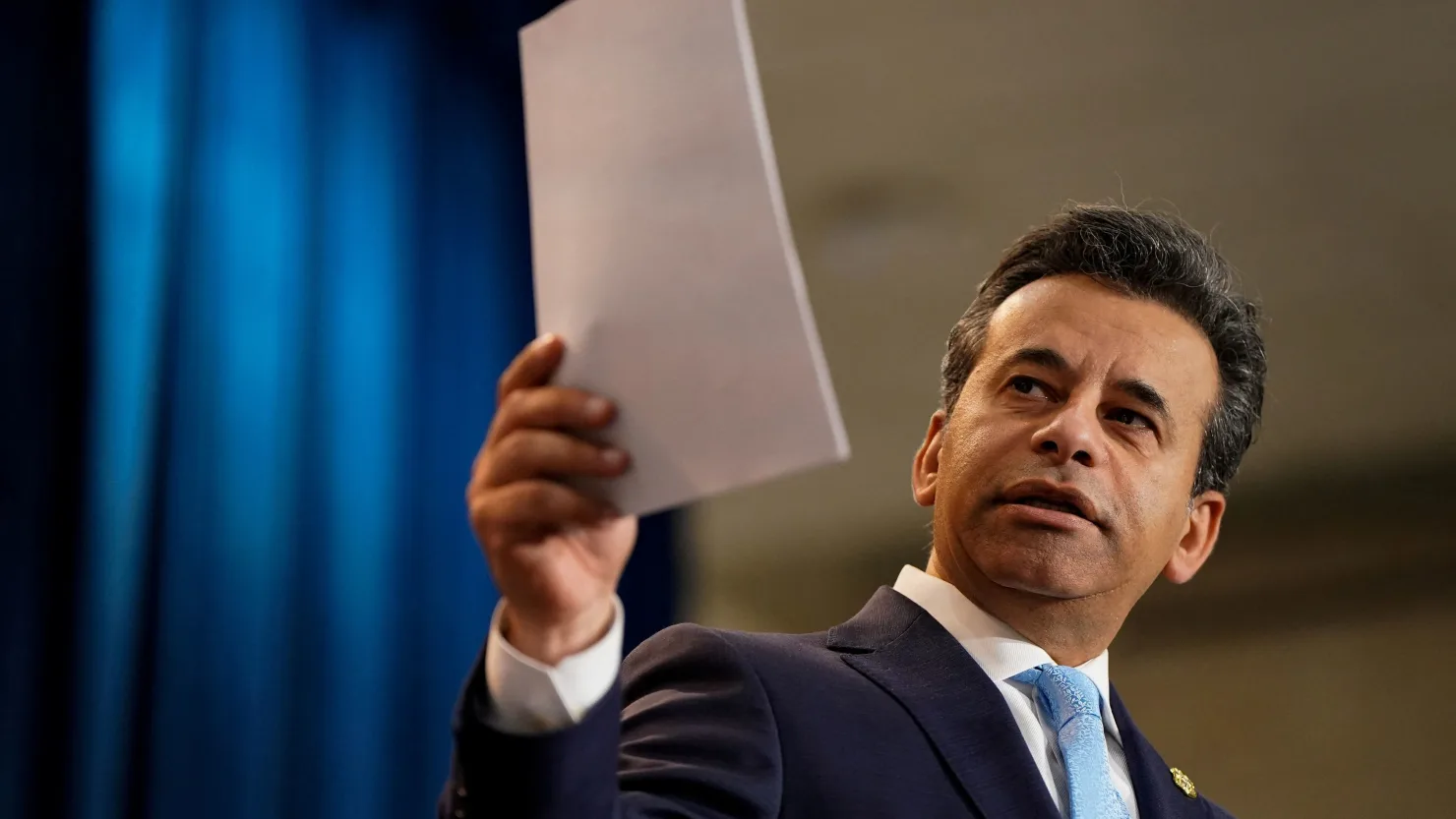
The U.S. Food and Drug Administration (FDA) has declared a nationwide phase-out of petroleum-based synthetic food dyes, directly impacting beloved brands like Flamin’ Hot Cheetos, Skittles, and Mountain Dew Baja Blast. The new regulation is part of a sweeping initiative under the “Make America Healthy Again” campaign, with a focus on removing Red 40, Yellow 5, Yellow 6, Blue 1 & 2, and Green 2 by end of 2025, and Red 3 by 2026.
FDA Commissioner Dr. Marty Makary, alongside Health Secretary Robert F. Kennedy Jr., emphasized that this move is a major step toward eliminating toxic additives from the American diet, particularly those that affect children’s health.
“For 50 years, kids have been living in a synthetic chemical soup,” Makary stated, referencing a Lancet study linking artificial dyes to hyperactivity in children.
What’s Getting Banned?
Artificial dyes commonly used in:
- Breakfast cereals
- Beverages like sports drinks & sodas
- Snacks including Cheetos, Skittles, Froot Loops
- Candy and packaged foods
The FDA’s action will affect food giants like PepsiCo, General Mills, Mars, and WK Kellogg, many of which still use these petroleum-based colorings for product appeal.
What Are the Health Risks?
The FDA has long allowed artificial dyes despite studies suggesting links to:
- Hyperactivity in children
- Behavioral disorders
- Potential cancer risks (Red No. 3 in particular)
According to the FDA and Lancet, removing synthetic colors won’t solve all health issues but is a key public health move.
Natural Alternatives on the Horizon
The FDA is fast-tracking approval for natural colorants like:
- Beet juice (as a Red 40 replacement)
- Carrot juice and turmeric (for yellows and oranges)
- Spirulina and purple carrots (for blues and purples)
Makary urged brands to “try watermelon juice instead of red dye”, calling the transition necessary and inevitable.
Industry Impact & Consumer Pushback
Some companies previously voluntarily removed artificial dyes, only to reintroduce them after consumer backlash. For example:
- Kraft Heinz switched to natural dyes in mac & cheese in 2015
- General Mills brought back artificially-colored Trix in 2017 after sales dipped
While the change may affect product aesthetics and shelf life, McCormick and other suppliers of natural ingredients are seeing a surge in business.
A Public Health Shift Led by the Trump Administration
This regulation reflects a broader shift under President Trump’s health leadership, aiming to reduce chronic disease and childhood obesity through food reform rather than pharmaceuticals.
Secretary Kennedy reaffirmed that food dyes are “a symbol of corrupt collusion between big food, big pharma, and weak regulators”, pledging a clean-up of the U.S. food supply.
What Happens If Companies Don’t Comply?
Although not legally binding yet, the FDA hinted at using “every tool in the toolbox”, including:
- Regulatory bans
- Revoking dye approvals
- Public and investor pressure
- Potential congressional intervention
Final Thoughts
The FDA’s synthetic food dye ban is one of the most impactful food policy changes in years. While critics argue it could raise production costs, supporters say it’s a small price to pay for children’s health.
As U.S. shoppers become more ingredient-conscious, this move could redefine the food and beverage industry — for good.
© 2025 UrbanCelebrityNews.com — This article is DMCA Protected. Unauthorized reproduction is strictly prohibited.

Flip-The-Drawers Scandal: Woman Dumps Boyfriend After Shocking Hygiene Habit Sparks Internet Uproar

Sundance Festival 2026: Directors Share How Park City Changed Their Lives & Careers

Vivek Oberoi Diamond Fraud Case: ₹34.75 Crore EOW Probe Explained

Durefishan Saleem Stuns in Elegant Red Saree Look

Celebrity Traitors 2025 Cast Revealed: Full Lineup of Stars Competing in Claudia Winkleman’s BBC Show

Hania Aamir Stuns in 3 Ethnic Looks by Indian Designers
-
 Fashion11 months ago
Durefishan Saleem Stuns in Elegant Red Saree Look
-
 Entertainment11 months ago
Celebrity Traitors 2025 Cast Revealed: Full Lineup of Stars Competing in Claudia Winkleman’s BBC Show
-
 Fashion11 months ago
Hania Aamir Stuns in 3 Ethnic Looks by Indian Designers
-

 Entertainment11 months ago
Lady Gaga Joins Zendaya in ‘Guys and Dolls’ Remake? Insider Reveals Casting Offers
-

 Entertainment11 months ago
Wednesday Season 2 Trailer Drops: Release Dates, New Cast & Lady Gaga Cameo Hints
-

 Entertainment11 months ago
Stranger Things Season 5: Release Date, Cast, Plot & More
-
 Entertainment11 months ago
Alice in Borderland Season 3:
-

 Politics11 months ago
Pahalgam Attack 2025: Why #BoycottKashmir Is a Wake-Up Call for India and a Test for Government Accountability